
Malaysia - Lessons in community and economic development through culture and connection
Travelling through Malaysia this month is like watching harmony in motion. From the urban energy of Kuala Lumpur and Ipoh to the serene landscapes of the Cameron Highlands and coastal charm of Penang, every destination reflects how community, culture, and economy can grow together. Malaysia is proof that inclusive, people-led development is not just possible, but deeply powerful.
A cultural mosaic that drives economic growth
Few nations embody cultural coexistence as naturally as Malaysia. Indian, Malay, and Chinese traditions blend effortlessly, supported by Hindu, Muslim and Christian faiths that frame social and civic life. This seamless cultural fusion doesn’t just enrich daily living, it underpins Malaysia’s economic identity.
Markets, street art, and festivals aren’t just expressions of culture, they’re engines of place-based economic development. In George Town, the Wonderfood Museum showcases how food connects people and generations, reinforcing Malaysia’s position as a hub of culinary tourism. Here, food is more than sustenance. It’s a connector, a tool for storytelling, a source of income, and a symbol of national unity.
Food as the language of community
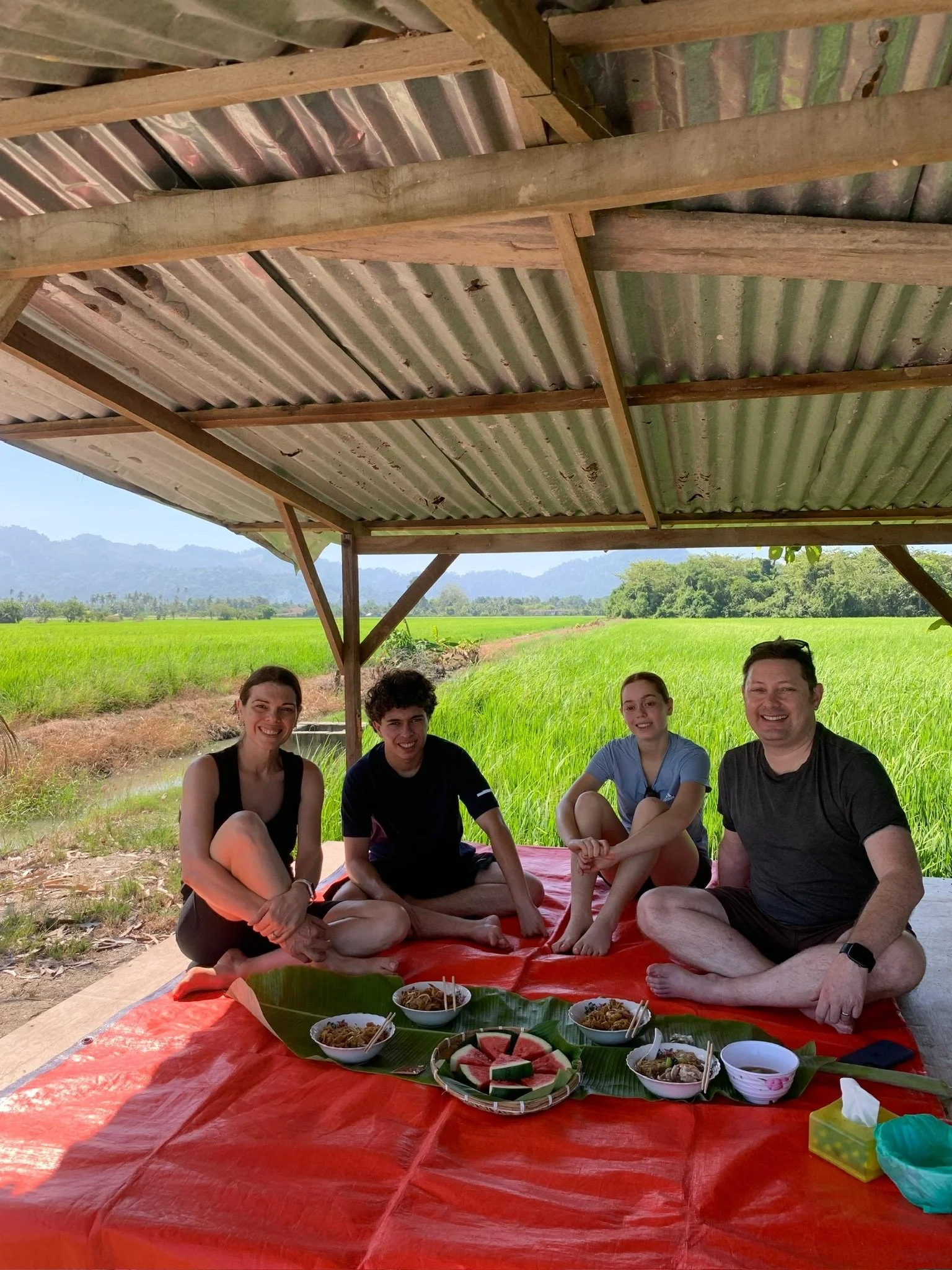
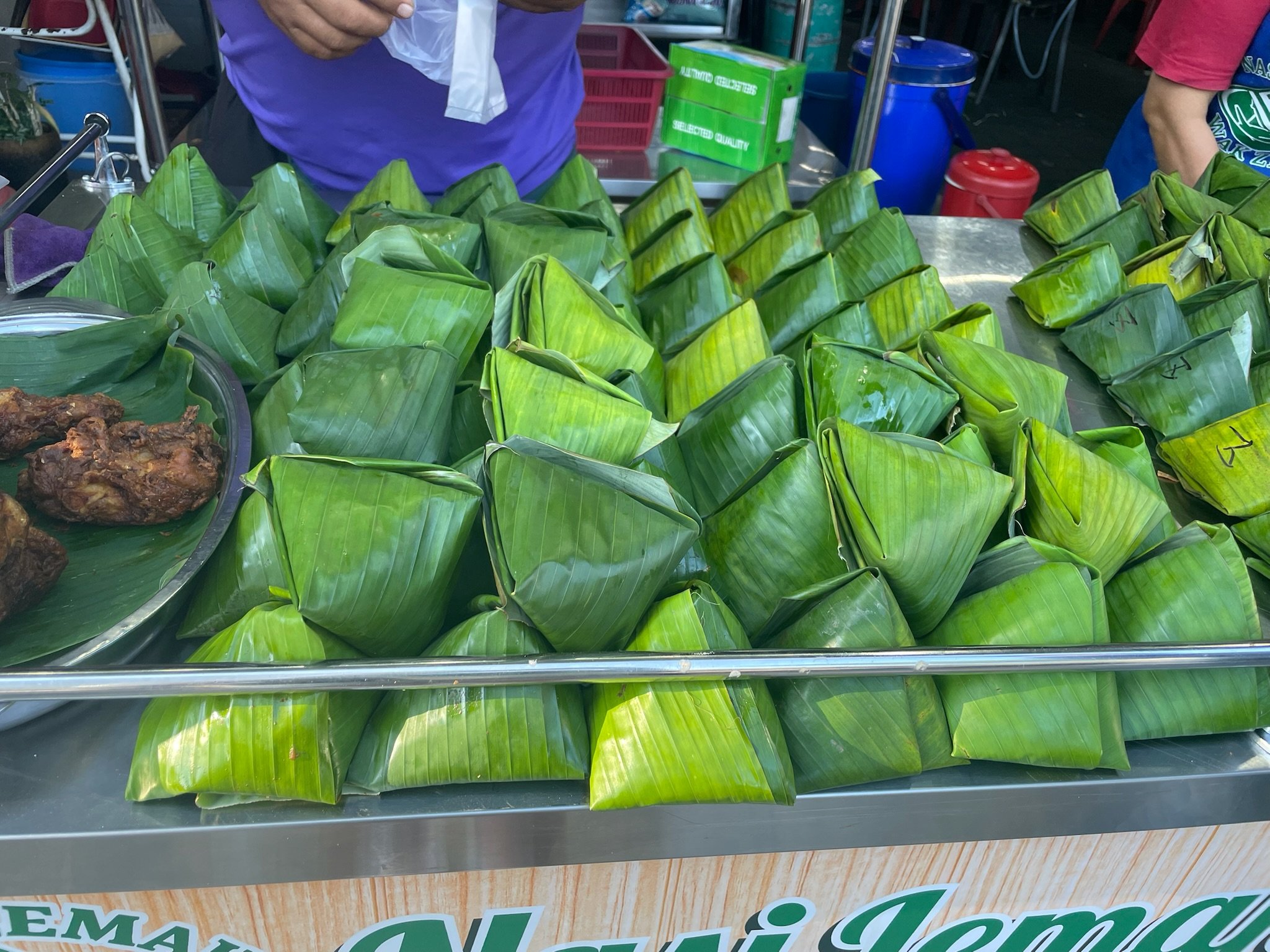
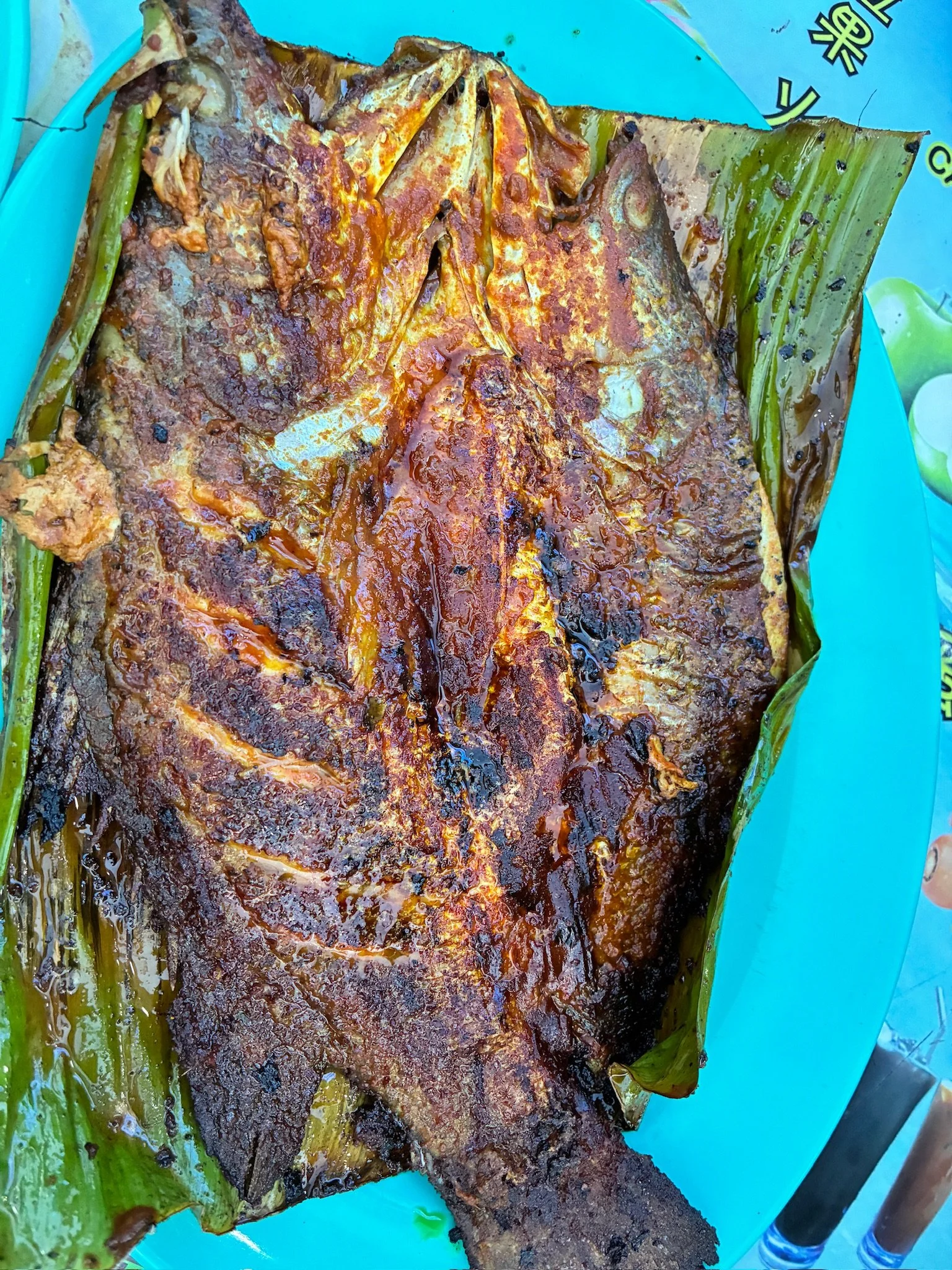
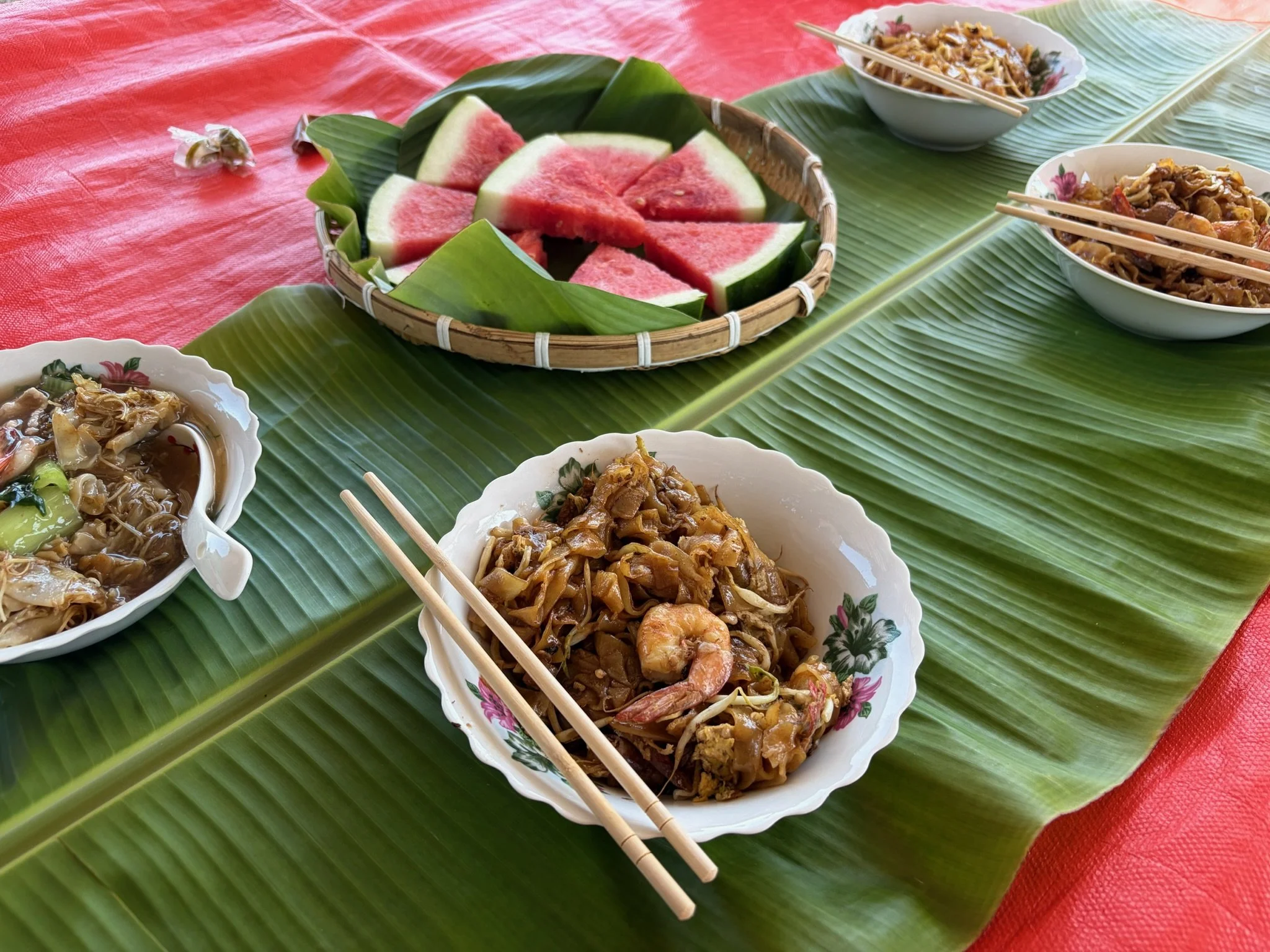
Malaysians live and breathe the belief that food binds people together. Whether it’s nasi lemak from a hawker stall or fresh roti in a family run café, the exchange of food represents community at work. Stallholders at hawker centres often discourage over-ordering, a simple yet profound act that speaks to integrity over transaction.
This conscious relationship between hospitality and honesty reflects a values-based economy - where long-term trust and community wellbeing matter as much as profit. It’s a principle that resonates with regional tourism and local economic development efforts everywhere, including in Australia.
From exports to food security
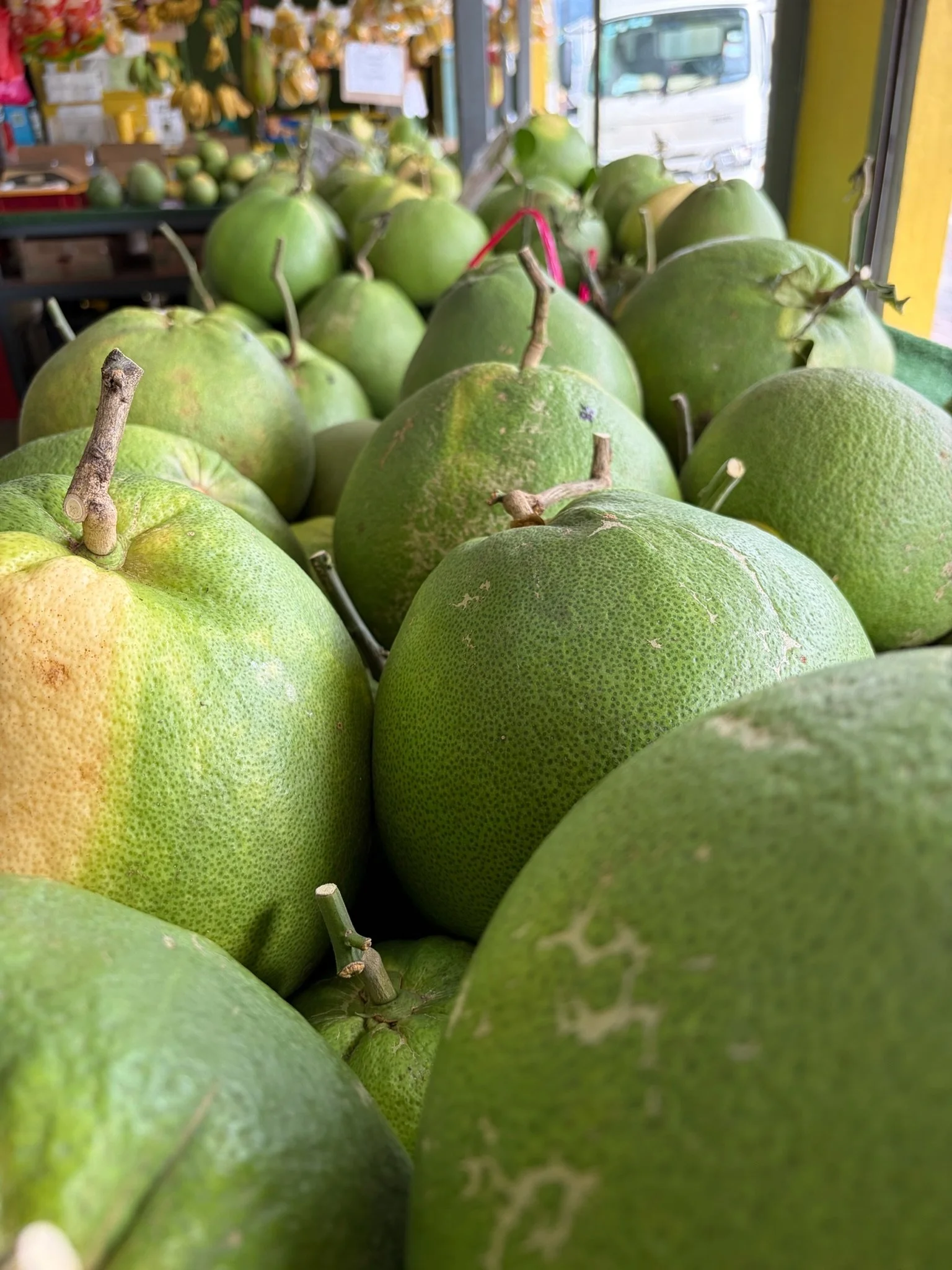
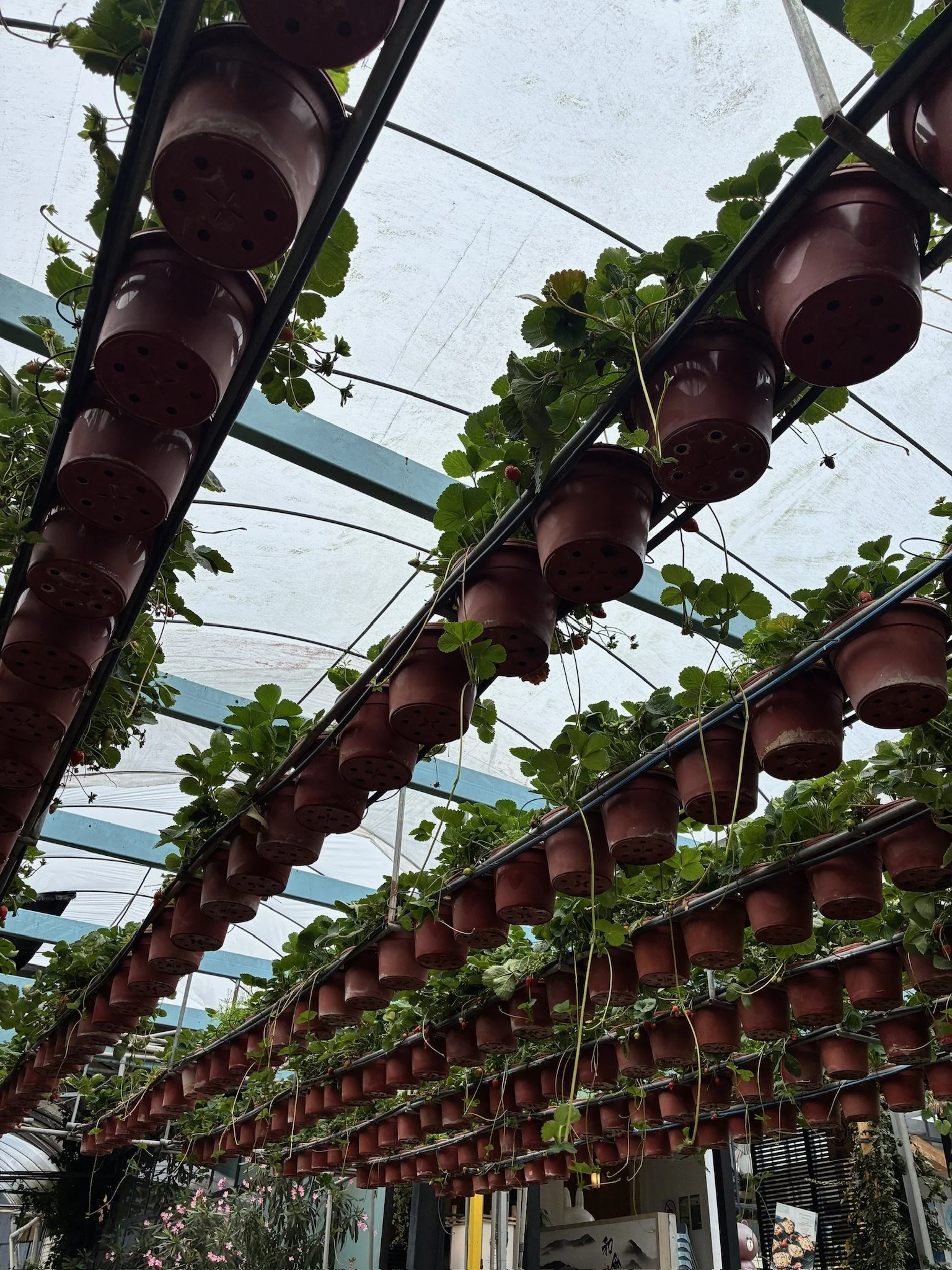
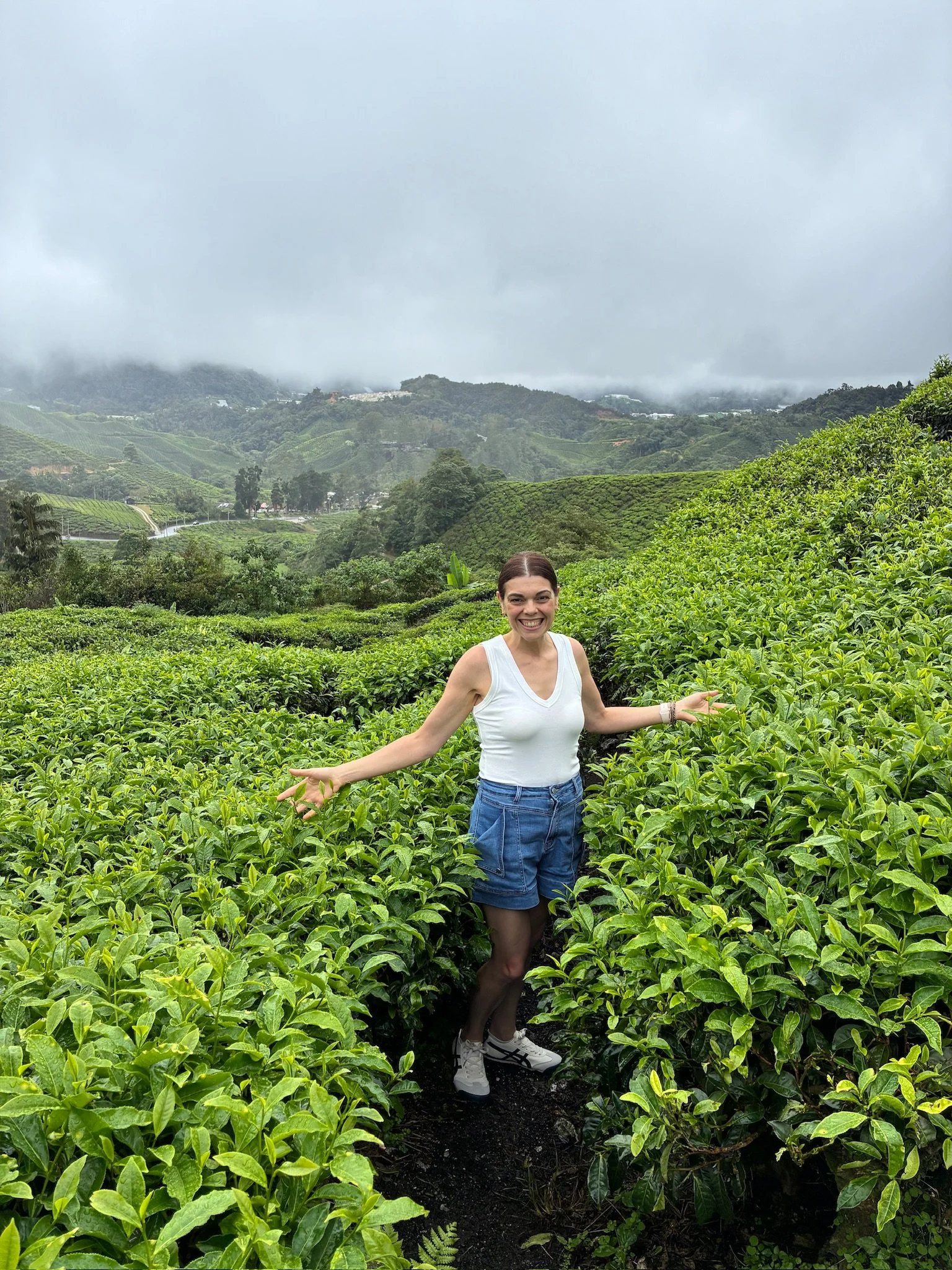
Beyond its cities, Malaysia’s landscapes tell a more layered story about food security. Agriculture still contributes significantly to the economy and employs many Malaysians, yet the country remains a net food importer and does not fully meet its own needs for staples like rice. In places like the Cameron Highlands, vertical strawberry farms and hillside hot houses for tomatoes highlight how ingenuity is used to work with steep terrain and limited arable land, not just to grow premium produce but to make every hectare count.
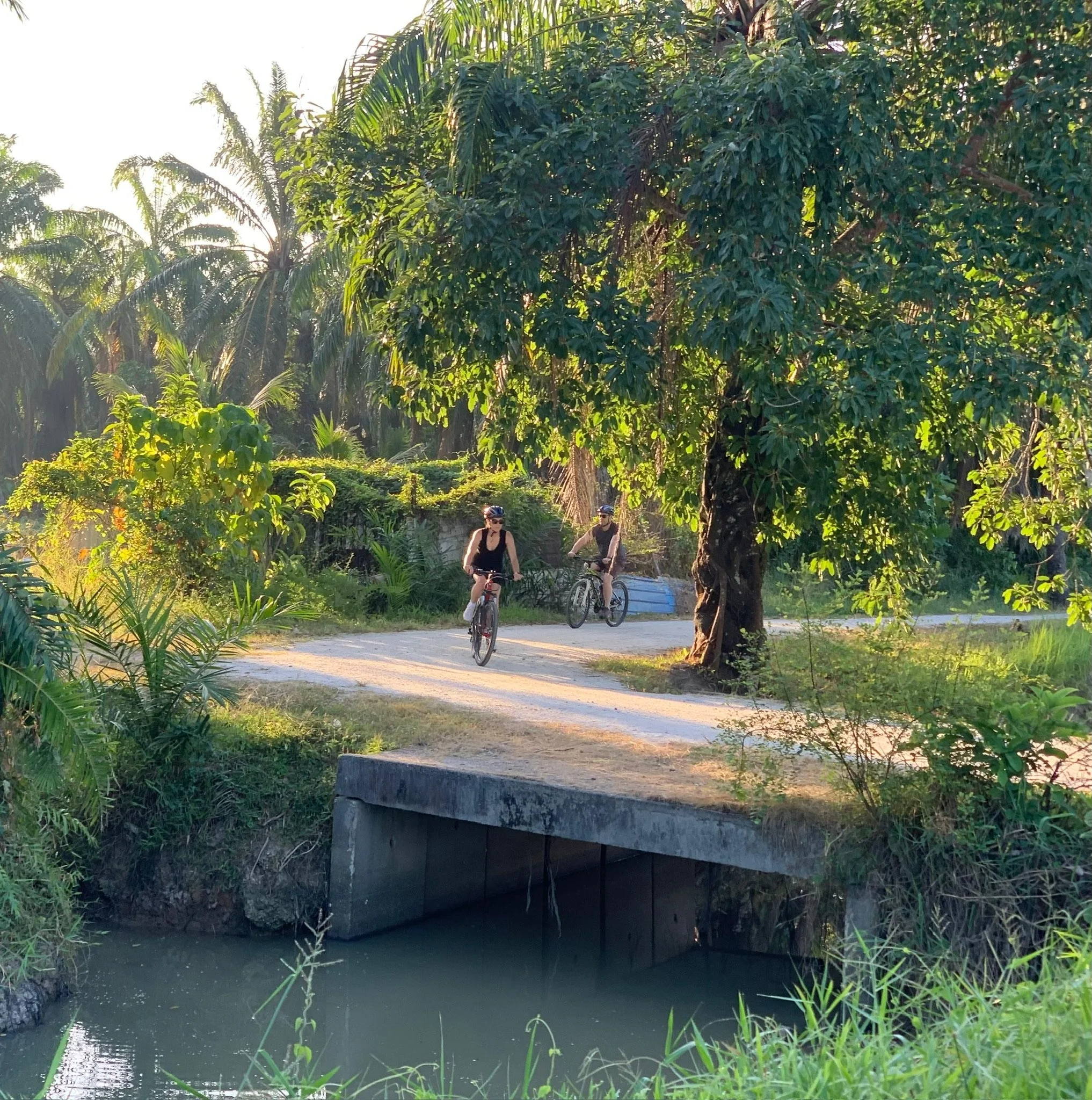
These systems sit alongside extensive palm oil plantations that have historically driven export earnings while also competing for land that might otherwise grow food for local consumption. With that sustainable palm oil growing is a key focus with an increased number of plantations following cooperative modelling With climate change projected to increase droughts and floods and reduce yields for key crops, innovation in Malaysian agriculture is no longer only about efficiency or visual impact, it is about balancing export-oriented production with the basic need to secure affordable, reliable food for its own communities.
The power of language and connection
One of Malaysia’s most powerful assets is its people’s ability to communicate. Across cultures, languages, and generations. Conversations flow fluently between Malay, English, Tamil, and Mandarin, often in a single setting. This linguistic fluency is more than practical - it builds bridges, strengthens relationships, and enables collaboration between global businesses and local communities.
As visitors, even small gestures, key phrases, as simple as saying terima kasih (thank you) carry weight. They reinforce mutual respect, which is the foundation of authentic engagement and sustainable partnerships.
Community and economic development in harmony
Malaysia’s success lies in its foundational understanding that economic development and community wellbeing must move together. From microenterprises in Penang to tourism-led revitalisation in rural areas, economic growth is approached as a shared responsibility, not a zero-sum game.
The country’s community-driven projects prove that when local voices shape development, outcomes are more resilient and inclusive. While challenges like inequality and congestion persist, Malaysia’s integrated approach demonstrates the power of systems thinking - balancing growth, inclusion, and environment.
For those of us working in workforce, community, and economic development in Australia, Malaysia offers lessons worth applying. Its approach echoes what we at Sparrowly Group often emphasise. That communities thrive when development is human-centred, place-specific, and built on respect.
Building global bridges through shared learning
This journey reinforced that international collaboration in community and economic development must go beyond policy tables. It happens through people. Through shared meals, respectful conversations, and a genuine curiosity for each other’s ways of living.
As nations navigate global shifts in tourism, trade, and technology, the Malaysian model reminds us that grassroots connection remains our strongest currency. The relationships forged in markets, farms, and local initiatives are the true infrastructure of sustainable progress.
A future shaped by connection
Reflecting on Malaysia, from the artistry of George Town’s streets to the serenity of the highlands, one message stands tall: the most enduring form of development begins with belonging.
By viewing community, culture, and economy as interconnected, Malaysia sets a compelling example of people-powered progress. For Australia, there’s a clear takeaway - that our work in community and economic development can be strengthened by collaboration, cultural humility, and the willingness to share with and learn from our neighbours.
I’ll return to Malaysia not just as a traveller, but to continue these conversations about how we can support the growth communities and economies together, from the ground up.